When you choose aluminium from Hydro, it's strong, light, durable and climate efficient, making you part of a smarter and more sustainable future. Our climate strategy is to cut our CO2 emissions 30% by 2030. Our aluminium can help you meet your goals, too.
Energy
Hydro has been at the forefront of the energy transition since 1905, transforming industries and societies with renewable energy. Today, we are pioneering the green aluminium transition through renewables and new energy solutions.
Sustainability
We want to contribute to the just and green transition through responsible production, creating circular solutions and delivering net-zero aluminium by 2050 or earlier.
Careers
At Hydro, we put our people at the center of everything we do. By supporting our employees’ growth professionally and personally, we are fostering a community of colleagues who are united in the shared purpose of solving our industries’ most pressing challenges.
Investors
With more than a century of industrial experience, we are enabling the green transition through innovation, technological advances, and a strong commercial mindset.
Media
Working on a story about aluminium? Press releases, photos, stories, facts and figures – you will find everything you need here.
About Hydro
Hydro is a leading aluminium and renewable energy company that builds businesses and partnerships for a more sustainable future. We have 32,000 employees in more than 140 locations and 40 countries.
Surface excellence with anodized aluminium profiles
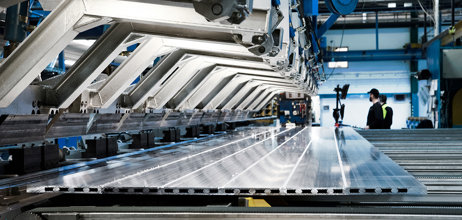
Anodizing, our most commonly used method of surface treatment, delivers a host of benefits. With our in-house anodizing facilities, we offer a streamlined, single-source solution that ensures efficient turnaround times for your aluminium profiles and components, all while upholding the highest standards of finish quality.
Advantages of anodizing
Anodizing is one of the oldest and most sustainable surface treatments for aluminium, providing a combination of aesthetic and functional benefits.
Anodizing creates a dirt-repellent and hygienic surface. The process provides a visually appealing and enduring decorative finish with long-lasting colour and gloss, preserving the “as new” appearance of the aluminium and extending its aesthetic lifespan. Anodizing also enhances the metal’s corrosion resistance.
An anodized surface offers a tactile quality that makes the material pleasant to touch, and which makes it a practical choice for machine parts due to its wear-resistant and abrasion-resistant properties. In addition, the electrically insulated coatings that result from anodization also make it a versatile option for various applications, including as a base for the application of adhesives or printing inks.
For all these reasons, anodizing is a go-to solution for many surface treatment needs.
Make your profile an optical highlight with colouration
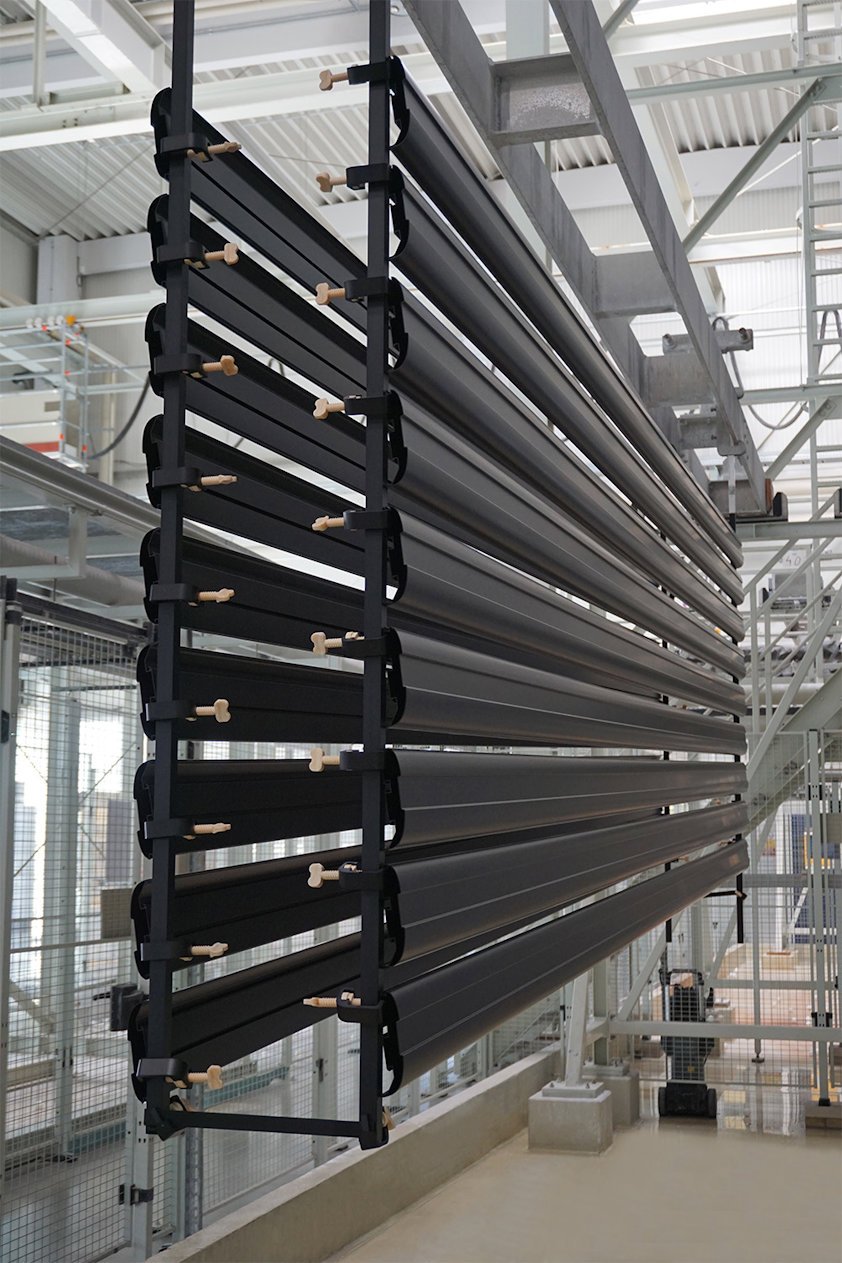
Natural anodized but unsealed aluminium is coloured with organic or inorganic dyes. Profiles are coloured by dipping them in a dye bath or by spraying. Both methods are water-based.
Electrolytic colouring
Electrolytic colouring is carried out as a separate stage after anodizing and provides a high level of ultra-violet resistance. The pigment, a tin salt, is deposited at the bottom of the oxide pores by means of alternating current. The colour scale runs from champagne to black.
All colours are available in matte or semi-matte finish. They are highly resistant to fading.
Colors that withstand outdoor exposure
The choice of colouring method depends on the UV radiation level and the temperature at which the layer will be exposed, both indoors and outdoors. Colour fastness varies with the pigments and colouring method used.
The inorganic colour layer has limited colour fastness in some cases and is therefore not suitable for applications where it is exposed to high temperatures or UV light.
Anodizing for your application
The application of the aluminium product will have an influence on the benefits provided by the anodizing process, such as electrical insulation, colour, hardness or easy cleaning. Here are examples:
Room-in-room solutions
Drop sides for trucks and trailers
Winter gardens
Window and door solutions
Covers for pool systems
Furniture
Heat sinks/housings
Machine construction profiles and solar modules
Case struts
Spirit levels
Our experts will be happy to advise you if you need a customized individual solution.
Mechanical surface treatments
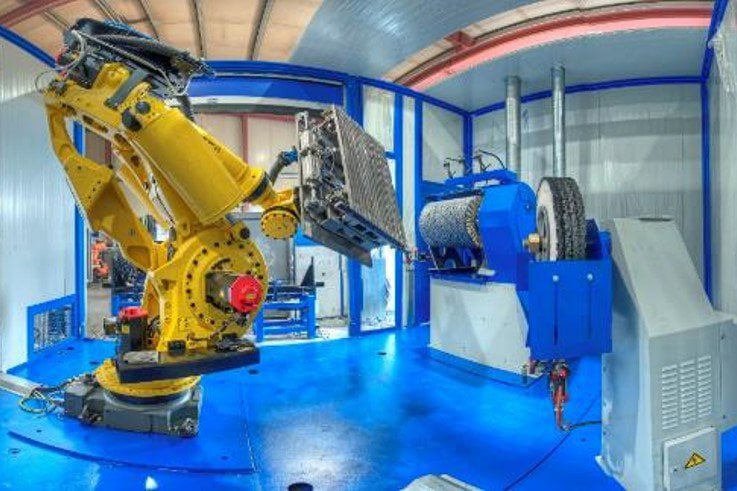
Mechanical surface methods are mainly used as preliminary treatments prior to anodizing. These include:
Polishing. As it sounds, this treatment smooths the surface and improves gloss. Requirements are agreed upon in consultation with the customer. Where high gloss is required, polishing may be followed by chemical polishing and bright anodizing.
Blasting. This is the most effective technique for carrying out the preparation treatment of surfaces prior to painting or the application of a protective layer against corrosion, such as anodizing. The purpose of the sand-blasting treatment is to improve surface quality and remove surface defects. It creates a homogeneous surface. Blasting is mainly used for satin or matte surface effects.
Tumbling. This is used to remove machine marks and burrs, and to round edges. It can also improve surface shine and smoothness. Aluminium tumbling is most commonly used for deburring. The process uses a horizontal drum barrel that vibrates and rotates with abrasive materials to eliminate burrs. The surface finish can range from matte to shiny, depending on the choice of tumbling media.
We use grinding for some designs and projects to improve the aesthetic and decorative nature of a surface. This treatment leaves fine grooves in the direction of the grinding. The surface texture can be made very fine, medium or coarse.