


Every step matters: How Hydro’s low-carbon aluminium is helping connect offshore wind to Europe’s power grid
Building the power grid for Europe’s energy transition is a large undertaking. But some of the choices that can make a difference happen on a much smaller scale. One of them is the material inside a power cable.
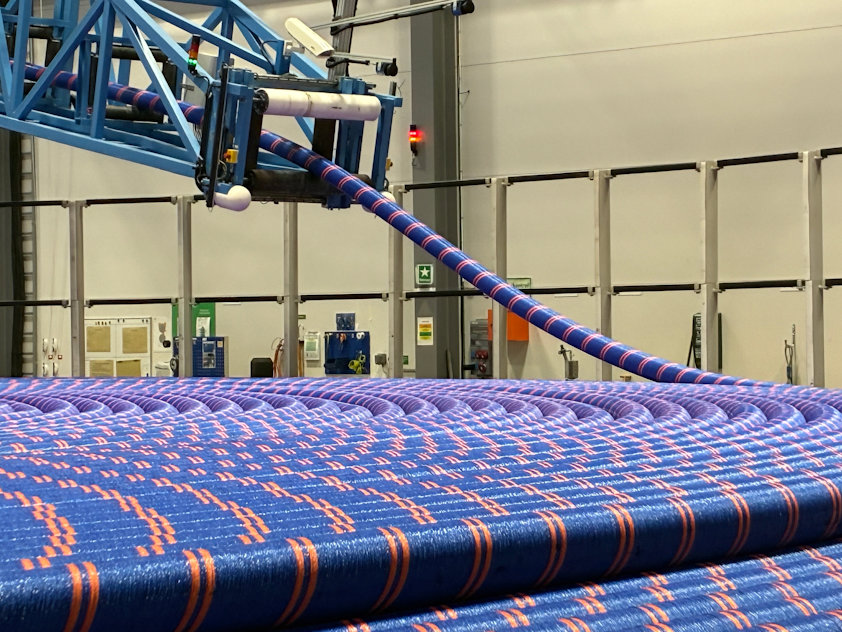
For the IJmuiden Ver Beta offshore grid connection in the Netherlands, NKT is producing high voltage cables using Hydro REDUXA aluminium wire rod. The cables will eventually carry renewable electricity generated in the North Sea to the Dutch grid, using aluminium wire rod with a carbon footprint of 3.7 kg CO2e per kg of aluminium, about 40 percent lower than the European industry average.
From the energy used to produce aluminium, to the cable carrying renewable electricity to shore, choices throughout the value chain influence the footprint of tomorrow’s energy infrastructure.
Why aluminium?
Aluminium is increasingly able to compete with copper in applications such as high voltage power cables. What matters is not simply choosing one metal over the other, but finding the right material for the application.
For IJmuiden Ver Beta, NKT is putting aluminium to work in 525 kV HVDC cables designed to transport large amounts of renewable power over long distances.
Aluminium combines electrical conductivity with low weight and a lower embedded carbon footprint, but replacing copper with aluminium requires more than just changing the metal. The conductor and cable system must be designed for aluminium.
That is where NKT’s cable technology and Hydro’s material expertise come together.
“Working closely with customers and partners like NKT helps us identify where aluminium can make a difference. By combining their cable technology with our material expertise, we can develop lower-carbon solutions while also broadening the material choices available for critical infrastructure. That matters as Europe builds a more resilient energy system,” says Elise Must, Vice President & Head of Sheet Ingot, Wire Rod and HyForge in Hydro Aluminium Metal.
The footprint starts before the cable
Choosing aluminium is only part of the equation. How the aluminium is produced matters too.
Aluminium production requires significant amounts of electricity, which means the source of that power has a major influence on its carbon footprint.
The wire rod supplied by Hydro to NKT is made from Hydro REDUXA, primary aluminium produced using renewable energy from hydropower and wind. It has a verified carbon footprint of 3.7 kg CO₂e per kg of aluminium, about a quarter of the global industry average.
“Hydro's integrated value chain provides transparency and traceability from bauxite mining and refining in Brazil through aluminium production and ultimately to the wire rod produced at Karmøy in Norway. Europe is building a grid infrastructure to connect renewable energy into the system, but sustainability also needs to extend to the materials used to build it. Working with partners like NKT, we can make lower-carbon, traceable materials part of that transition,” says Must.
Every step matters
No individual material choice solves the sustainability challenge, but every step in the value chain offers an opportunity to make better choices.
That means sourcing raw materials responsibly, producing aluminium with a lower-carbon footprint, designing cables that use the material efficiently and building infrastructure that can transport renewable electricity reliably for decades.
The conductor inside a cable may seem like a small detail in an offshore wind project of large scale. But multiply material choice across kilometers of cable, across projects and eventually across Europe’s expanding electricity network, and those details start to matter.
Using aluminium where its properties make sense and developing the technology to make that substitution possible can help lower the embedded carbon footprint of new grid infrastructure.
Because Europe’s energy transition to renewable energy is not only about where the electricity comes from. It is also about the choices made in building the infrastructure that gets it there.
About this project
Hydro and NKT established their strategic partnership in 2024 and subsequently entered a long-term wire rod supply agreement in 2025. IJmuiden Ver provides a tangible example of the partnership in action, connecting Hydro’s low-carbon aluminium production with NKT’s power cable technology and TenneT’s development of critical European energy infrastructure
IJmuiden Ver is part of the Netherlands’ expansion of offshore wind and the infrastructure needed to transport renewable power to shore. TenneT is developing 2 GW connections for IJmuiden Ver Alpha and Beta, using high-voltage direct current technology to transport electricity over long distances with limited energy losses. NKT is producing 525 kV XLPE HVDC cable systems for the project using low-carbon aluminium wire rod supplied by Hydro.